12/25/24
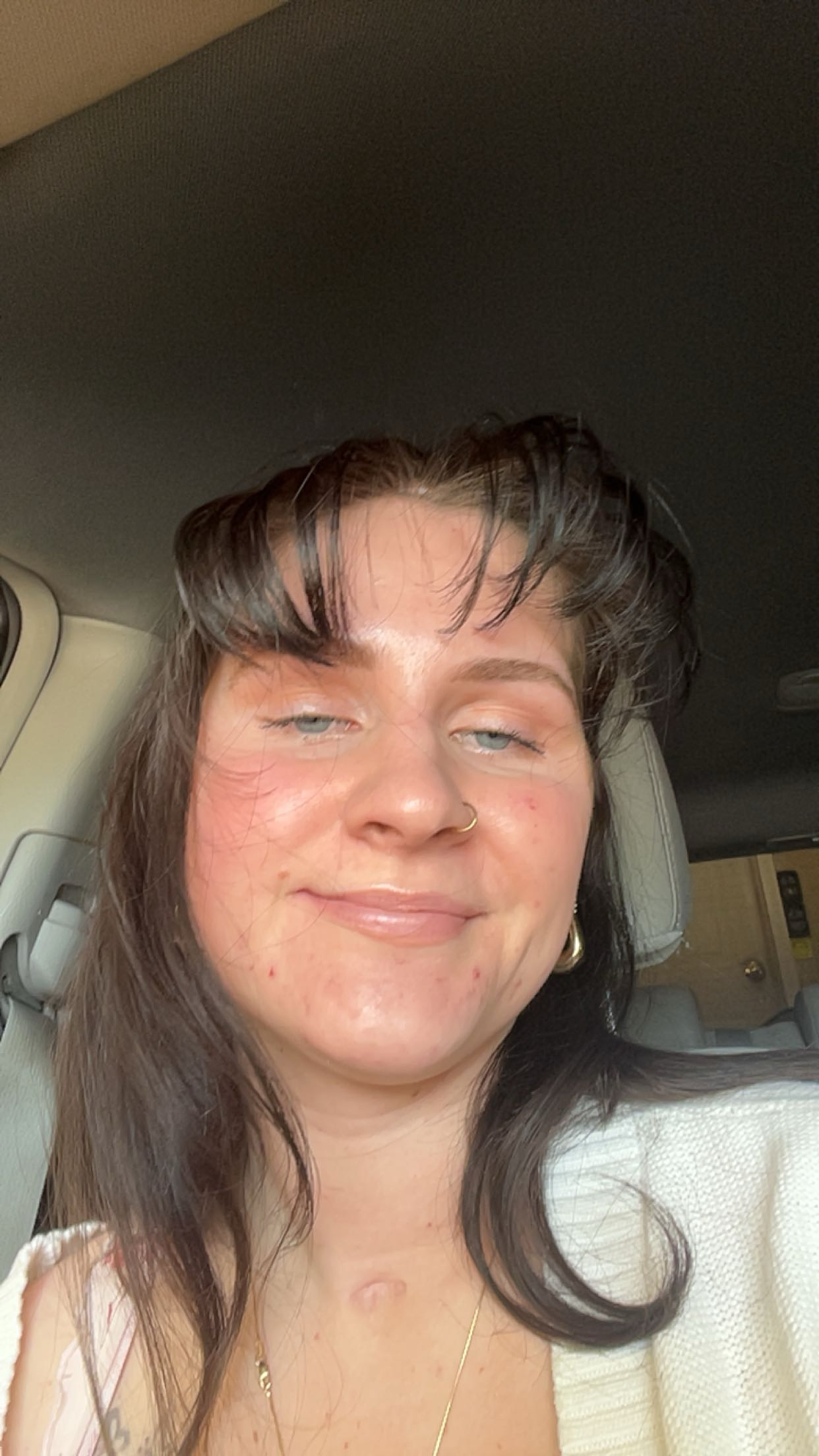
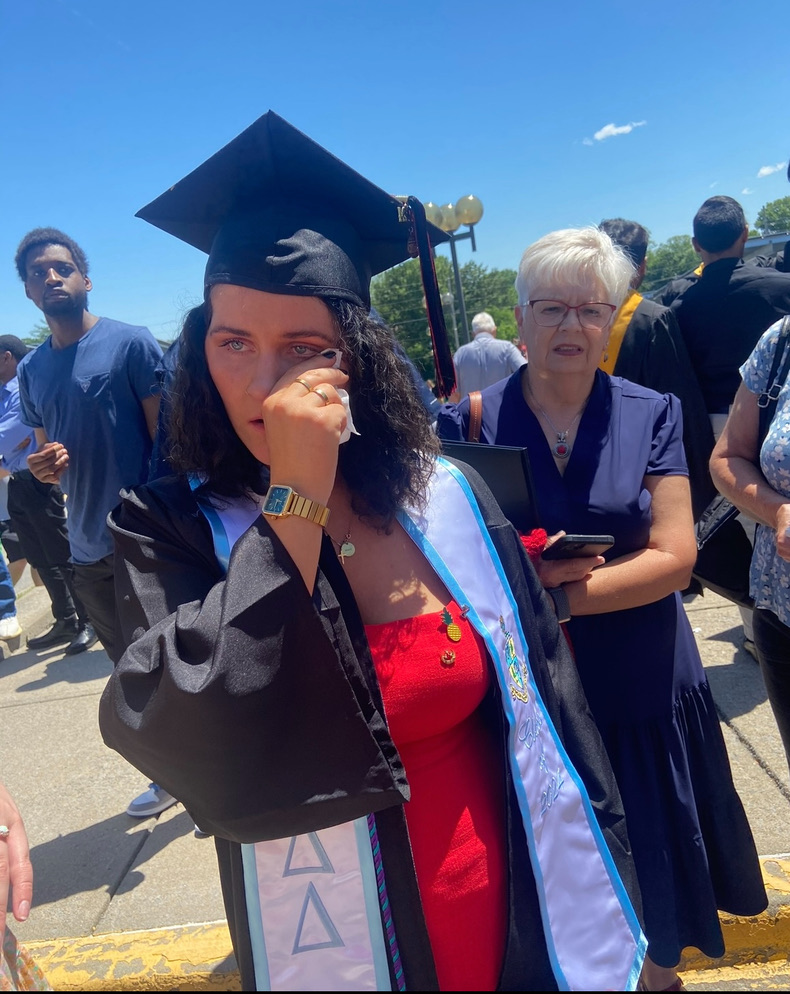
After graduating from all disciplines of therapy in 2022-early 2024, I have had to take my treatment, therapy, and recovery into my own hands. This has increased my independence and created a feeling of “adultness” as I moved into my twenties along with my recovery, as I was 19 when my strokes happened. I’m 23 now. I have lived in various places with various people throughout the years, but moving back in with my parents in May I have had to fight to create my independence there. My dad is the best. He wants to be so helpful is every way he can. He is always asking what he can help with when I am at home. It has been a learning curve for us to figure out that I will ask for help when I need it, but also that I need to accept it when it is offered. Others can see when we need help easier than we can. Sometimes we get tunnel vision. This tunnel vision has been extraordinarily beneficial to me in my recovery, but it can also be detrimental.
The focus and determination I possess is incredible and I am super blessed and grateful to be the person I am, but I am also extremely aware of my downfalls, thanks to CTN, and how they may bring me down sometimes if I’m not careful. It’s taken a LOT of therapy to get to where I’m at in my mental health journey, because it used to be pretty dark. Dealing with a brain injury can be pretty taxing in the mental health arena, and when my stroke initially happened, my parents had the antidepressant Zoloft administered to my IV once daily. I was on this medication for a couple of years before it started interfering with other medications I was taking so I made the decision with my neurologist to taper off of it. Now, at the end of 2024, I am taking a different mood stabilizer to manage OCD symptoms. All of the medications I am on are crutches for me to lean on while necessary to recover as much as I need to need them, and then I intend to get off of them except for maybe the seizure prevention medication I am on, and have been since 2022. Despite previously needing a lot of assistance very early in my recovery, the level of assistance has tapered off, much like the medications. Many of my friends call me “diet handicapped” or even “handicapped lite.” Even though I qualify for a handicap placard for many reasons, the list of things that I can’t do is much much shorter than the list of things I can. This list grows continually and I perpetually find new things that I’m capable of doing, literally everyday. At first, the fact that I was so proficient at doing things one handed gave me a complex about asking for help. I imagine I looked much like a toddler stomping my good foot, “No, I want to do it myself!!” I imagine it was hard not to laugh at myself if somebody was cynical enough to find that funny. I would’ve laughed at myself. People don’t laugh though. People give you pity, because they feel guilty that what happened to me, happened to me. But in all, total, complete honesty, I am incredibly grateful for my strokes. They have given me a whole hell of a lot more than they have taken.
I am often commended for my mindset on things like this, but I think my time at CTN changed my brain chemistry. I don’t think I can see it any other way. Mel Robbins has a theory called the “Let Them” theory. Basically, she says to let what will be, be. Let people do as they please, everything is at will so when things happen, you don’t feel slighted. I think this applies to accepting help, because at this point I think when people help me do something, carry something, support me in some way, it’s out of kindness, love and friendship. This has changed my life.
Last month, in November, like I said in my first post, I was accepted to an Ischemic Stroke clinical trial called the Ipsihand by Neurolutions at Washington University, I’m the only Hemorrhagic stroke survivor in the 80-patient pool. In this trial, the 80 of us are randomly split up into two groups, Group A receives the robot hand device, Group B receives an OT home exercise program. I was lucky enough to be placed into the device group, and have completed the program almost everyday since, focusing on opening my hand in an attempt to rewire my brain and create new connections to replicate the ones lost in my injury. It’s important to understand that life will never just return to to exactly how life was five minutes before your injury. You get a second chance at your life to make it look exactly how you want, removing things that do not bring you joy or satisfaction. I am genuinely more happy, with more joy in my life, now as a “handicapped” woman; when I’m told I shouldn’t have as upbeat of an attitude as I do have. I love the life I live, it’s decorated with gratitude for being able to still lead it. I love the learning theme throughout my life, despite having exited academia. I am constantly taking in knowledge and maneuvering my way throughout my new (ish now) life as a handicapped, one-handed person. That’s all for now, thanks for reading☺ Until next time, with love, MK

 Welcome to the crazy!! Every day is a new adventure!!
Leave a reply to Lisa W Cancel reply